Tokyo Ghoul Manga vs Anime Differences: The Complete Guide Every Fan Needs
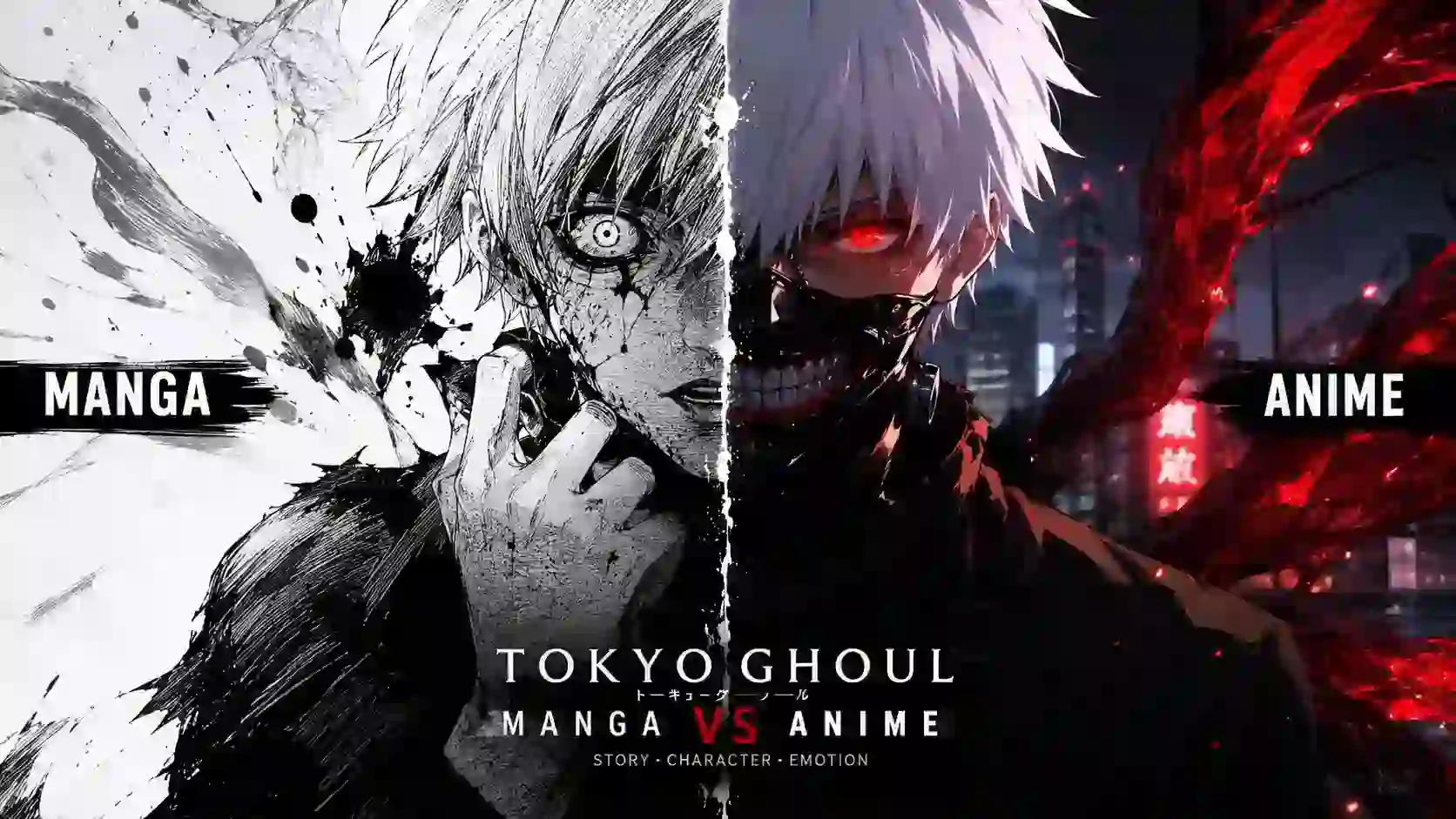
You finished Tokyo Ghoul and felt something was off. Crucial character moments disappeared, storylines shifted without explanation, and the ending left you scratching your head. This guide maps every tokyo ghoul manga vs anime differences so you finally see what Studio Pierrot changed and why Sui Ishida’s original manga delivers a far deeper experience.
Why Do Tokyo Ghoul Manga vs Anime Differences Matter to Fans?
When a beloved manga hits the screen, fans expect loyalty to the source material. Tokyo Ghoul broke that trust for millions of readers worldwide.
Sui Ishida crafted a dark, layered narrative in Weekly Young Jump (Shueisha) that explored identity, hunger, and what it means to be human. The anime adaptation compressed that richness into tight 12-episode seasons.
Understanding the tokyo ghoul manga vs anime differences helps you appreciate both versions on their own terms. It also explains why the manga community and anime-only viewers often argue about character motivations and plot logic.
How Did Studio Pierrot Alter the Original Storyline?
Studio Pierrot took creative liberties starting with Season 1. The first twelve episodes mostly followed Ishida’s panels, but cuts happened fast.
Entire internal monologues from Kaneki Ken vanished from the screen. These monologues carried the emotional weight of his transformation from a timid college student into a half-ghoul struggling with his terrifying new reality.
The tokyo ghoul manga vs anime differences became impossible to ignore once Season 2, Tokyo Ghoul √A, aired. That season abandoned the manga’s plot almost entirely and forged its own path.
What Happened to Kaneki’s Character Development in the Anime?
Kaneki Ken stands as one of the most complex protagonists in modern manga. Ishida spent dozens of chapters peeling back his psychological layers after the brutal torture arc with Jason (Yamori).
In the manga, Kaneki joins Aogiri Tree to protect Anteiku from the shadows. He makes this choice deliberately, embracing pain to shield the people he loves. The anime flips this decision completely.
In √A, Kaneki stays with Anteiku’s crew and fights alongside Touka during the CCG raid. This tokyo ghoul manga vs anime differences fundamentally reshapes his growth trajectory and weakens the moral complexity that made him iconic.
Why Is Tokyo Ghoul √A Completely Different From the Manga?
Tokyo Ghoul √A shocked the fanbase when it premiered in 2015. Studio Pierrot created an original storyline that ran parallel to the manga rather than adapting it directly.
The anime showed Kaneki leading a small squad during the Anteiku Raid. The manga placed him deep inside Aogiri Tree, battling CCG investigators from within their own ranks.
This split is the single biggest tokyo ghoul manga vs anime differences in the entire franchise. It confused viewers who later picked up Tokyo Ghoul:re and realized the anime had skipped critical plot foundations entirely.
How Do the Fight Scenes Compare Between Both Versions?
Manga fight scenes rely on panel composition and deliberate pacing. Ishida’s art style shifts dramatically during combat, using scratchy, chaotic ink strokes to convey raw brutality and desperation.
The anime brought kagune battles to life with fluid animation and vibrant color palettes. The visual spectacle often exceeded what static black-and-white panels could deliver on their own.
Yet the tokyo ghoul manga vs anime differences show up clearly in fight choreography details. The manga gives each clash a tactical logic involving kagune types and RC cell counts. The anime sometimes sacrifices strategy for flashy visuals, leaving viewers unsure why a character won or lost.
Which Characters Got Cut or Reduced in the Anime?
Several fan-favorite characters suffered heavy screen-time reductions across all four seasons. Here is a quick breakdown of the most notable cuts:
- Hideyoshi Nagachika (Hide): The manga gives Hide a massive role in the CCG infiltration arc. The anime sidelines him until the final episodes of each season.
- Shu Tsukiyama: The “Gourmet” ghoul receives far more backstory in the manga, including his obsessive fascination with Kaneki’s scent and flesh.
- Koutarou Amon: His internal conflict about justice and the ghoul question gets trimmed significantly on screen.
- Uta and Itori: These mysterious figures barely appear in the anime but drive major plot threads throughout the manga’s later arcs.
- Roma Hoito: Her true identity and connection to the One-Eyed King reveal lands with zero buildup in the anime.
These character cuts represent some of the most frustrating tokyo ghoul manga vs anime differences for loyal readers who followed the weekly serialization.
What Are the Biggest Tokyo Ghoul:re Anime vs Manga Changes?
Tokyo Ghoul:re adapted the sequel manga into two cours totaling 24 episodes. That tight runtime forced the production team to compress over 179 chapters into a fraction of the space.
Major arcs like the Rushima Landing Operation and the Dragon arc received rushed treatment. Character deaths that carried enormous emotional weight in the manga felt abrupt and unearned on screen.
The tokyo ghoul manga vs anime differences in :re also affected Haise Sasaki’s internal struggle. His fractured identity as both a CCG investigator and a suppressed Kaneki demanded slow, careful storytelling that the anime simply could not afford within its episode count.
How Does the Ending Differ Between Manga and Anime?
The manga’s ending spans the final chapters of Tokyo Ghoul:re. Kaneki and Touka settle into a peaceful life, raising their daughter Ichika in a world where ghouls and humans finally coexist.
Ishida closes the story with a time-skip that shows the next generation thriving in a rebuilt Tokyo. The tone feels genuinely earned after hundreds of chapters of suffering and sacrifice.
The anime’s ending compresses these final beats into a handful of minutes. The tokyo ghoul manga vs anime differences in the finale left many anime-only fans feeling the conclusion arrived too quickly and without enough emotional payoff to justify the journey.
Which Version Should You Experience First?
This question sparks heated debate in every anime forum and subreddit. Here is a straightforward recommendation based on your personal viewing habits:
- Read the manga first if you want the complete, uncut story with full character depth and world-building.
- Watch the anime first if you prefer visual storytelling and do not mind filling in plot gaps later.
- Do both for the richest possible experience. Start with Season 1 of the anime (available on Crunchyroll), then switch to the manga from Chapter 1 onward.
Knowing the tokyo ghoul manga vs anime differences before you start helps you set the right expectations and avoid confusion when plotlines diverge sharply in Season 2.
Why Did Sui Ishida’s Original Vision Get Altered on Screen?
Anime production operates under strict budget and scheduling constraints. Studio Pierrot juggled multiple major projects while adapting Tokyo Ghoul, which limited episode counts per season to just twelve.
Ishida himself contributed original storyboards for the √A opening sequence, showing he actively supported the anime team. Yet the final product still deviated heavily from his written narrative due to production realities.
The tokyo ghoul manga vs anime differences stem less from creative disagreement and more from the practical limitations of weekly animation production in Japan. Twelve episodes simply cannot hold the weight of 143 manga chapters.
How Do Pacing and Tone Shift Between Both Versions?
The manga paces its horror elements with surgical precision. Ishida builds dread over multiple chapters before delivering a shocking reveal or a violent confrontation that leaves readers breathless.
The anime compresses that buildup into single episodes. Tension peaks arrive faster but hit with less force because the psychological groundwork got trimmed or removed entirely.
This pacing gap is one of the most noticeable tokyo ghoul manga vs anime differences across all four seasons. Readers often describe the manga as a slow-burn psychological horror, while the anime feels more like an action series wearing horror aesthetics.
Detailed Comparison Table: Tokyo Ghoul Manga vs Anime Differences at a Glance
| Story Element | Manga (Sui Ishida) | Anime (Studio Pierrot) |
| Total Length | 322 chapters (TG + :re) | 48 episodes across 4 seasons |
| Kaneki’s Aogiri Arc | Joins Aogiri Tree to protect Anteiku | Stays with Anteiku crew in √A |
| Hide’s Role | Major CCG infiltration subplot | Reduced to final-episode cameos |
| Anteiku Raid | Detailed multi-chapter battle | Compressed into 2–3 episodes |
| Torture Scene (Jason) | Extended psychological breakdown | Shortened but visually striking |
| :re Pacing | 179 chapters of careful buildup | 24 episodes covering all arcs |
| Ending | Full time-skip with family resolution | Rushed final montage sequence |
| World-Building (RC Cells, Quinque) | Deep scientific explanations | Surface-level mentions only |
| Side Characters (Uta, Itori, Roma) | Central to major plot twists | Minimal screen time throughout |
| Overall Tone | Psychological horror with gore | Action-heavy with horror visuals |
Frequently Asked Questions About Tokyo Ghoul Manga vs Anime Differences
Q1: Is the Tokyo Ghoul anime faithful to the manga?
Season 1 follows the manga closely with minor cuts. Seasons 2 through 4 diverge significantly, especially Tokyo Ghoul √A, which tells a completely original story not found in Ishida’s chapters.
Q2: Should I read the manga after watching the anime?
Absolutely. The manga fills every plot hole the anime created. You will discover entire character arcs, world-building details, and storylines you never knew existed.
Q3: Why is Tokyo Ghoul Root A different from the manga?
Studio Pierrot chose to create an original storyline for Season 2 instead of adapting the Aogiri Tree arc. This decision caused the tokyo ghoul manga vs anime differences that confused many fans moving into :re.
Q4: How many chapters does the Tokyo Ghoul manga have?
The original Tokyo Ghoul runs 143 chapters. Tokyo Ghoul:re adds 179 chapters, totaling 322 chapters across both series published by Shueisha in Weekly Young Jump.
Q5: Does the Tokyo Ghoul:re anime follow the manga?
It follows the same general plot but compresses 179 chapters into 24 episodes. Major arcs get rushed, and character development suffers heavily as a result of the tight runtime.
Q6: Which version has the better ending?
The manga delivers a far more satisfying conclusion. Ishida gives every major character a proper resolution and emotional closure, while the anime wraps the entire finale into a brief montage.
Start Reading the Real Story Today
Understanding the tokyo ghoul manga vs anime differences transforms how you experience this iconic series from start to finish. Studio Pierrot delivered stunning visuals and a welcoming gateway into Ishida’s dark universe, but the manga holds the complete, uncompromised story that millions of readers consider a modern masterpiece.
Grab the first volume of Tokyo Ghoul and read Kaneki’s journey exactly as Ishida wrote it. Once you finish, drop your biggest shock from the tokyo ghoul manga vs anime differences in the comments below. Your take might convince another fan to finally pick up the source material and experience the story the way it was always meant to be told.
One Comment