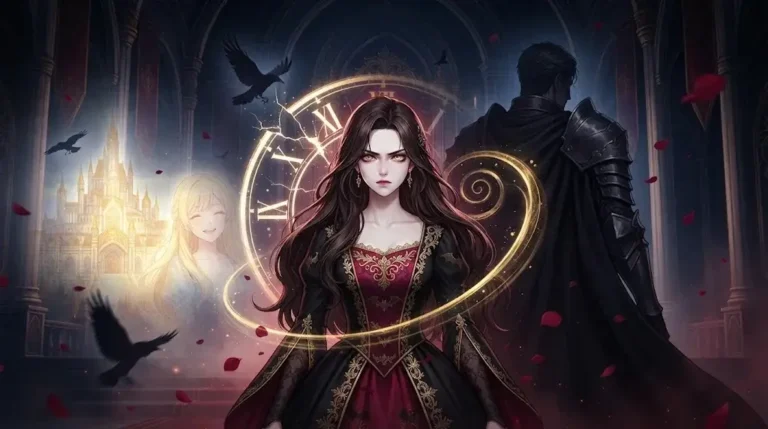
Finding a cozy fantasy that feels warm, meaningful, and easy to follow can frustrate readers. Many isekai stories rush into battles and leave little room for character growth. This guide explores Dead-End Café In The Royal Capital, covering its story, characters, themes, and reading options so you can decide if it deserves a spot on your list.
Quick Overview of the Series
| Category | Details |
|---|---|
| Focus Keyword | Dead-End Café In The Royal Capital |
| Full Japanese Title | Ōto no Ikidomari Café “Kakurega”: Ukkari Mahōtsukai ni Natta Watashi no Mise ni Hittō Bunkan-sama ga Kutsurogi ni Kimasu |
| Original Story Author | Syuu (守雨) |
| Manga Artist | Yutoto |
| Main Character | Mai Sasaki (Mai) |
| Key Supporting Character | Henry, the kingdom’s chief secretary |
| Genres | Fantasy, Romance, Slice of Life, Drama, Shoujo |
| Core Themes | Second chances, cooking, magic, healing, slow romance |
| Original Format | Web novel |
| Manga Adaptation | Ongoing manga adaptation |
| Setting | A quiet café at a dead-end street in a royal capital |
| Best For | Readers who enjoy cozy isekai, gentle romance, and character-driven stories |
What Is Dead-End Café In The Royal Capital?
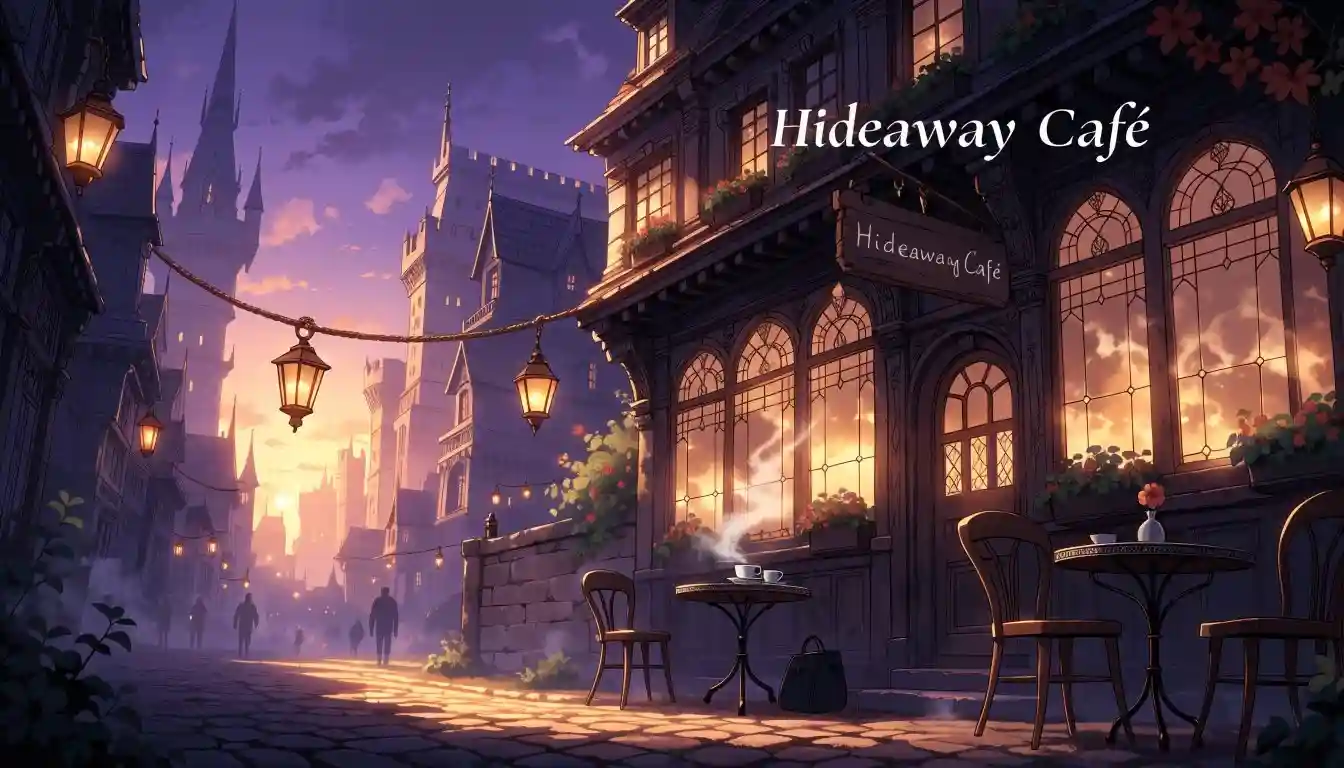
Dead-End Café In The Royal Capital is a cozy fantasy story about a young woman who receives a second chance at life in another world. After illness ends her life in Tokyo, Mai Sasaki awakens in a new world with magical knowledge and power gifted by her grandmother. Instead of chasing adventure or fame, she opens a small café called “The Hideaway” at the quiet end of a street in the royal capital.
The heart of the story comes from its simple but powerful promise: a peaceful place can change lives. Mai uses her cooking, kindness, and magic to create comfort for the people who find her shop. One of her most frequent visitors is Henry, a serious and respected civil official who carries hidden burdens. Their growing connection gives the story its gentle romantic thread.
Readers often describe the series as calming, warm, and rewarding. According to the Novel Updates series listing, the web novel blends fantasy, romance, drama, and slice-of-life elements. That mix makes the series appealing to readers who want emotional depth without constant conflict.
Why Does Dead-End Café In The Royal Capital Connect With Readers?
Dead-End Café In The Royal Capital connects with readers because it treats everyday moments with care and meaning. Many fantasy stories focus on battles, rankings, or world-ending threats. This story chooses a different path. It shows how a warm meal, a safe space, and honest conversation can matter just as much as magic.
The emotional hook feels real. Mai does not arrive in the new world looking for power. She wants to live well after losing her first life too soon. That desire gives her choices weight. When she opens her café, every dish and every customer interaction reflects her gratitude for being alive.
The pacing also helps readers relax. The story gives room for relationships to grow naturally. Henry’s visits to the café do not feel rushed or forced. The series builds trust through small moments, such as shared meals, quiet talks, and everyday routines. For readers tired of loud, fast plots, this gentle rhythm feels refreshing.
Another reason people enjoy the series is its balance. It offers fantasy elements like magic, beastkin, and another world, but it keeps the focus on human feelings. That balance makes the story easy to recommend to both fantasy fans and readers who usually prefer character-driven fiction.
Who Created Dead-End Café In The Royal Capital?
The original web novel behind Dead-End Café In The Royal Capital comes from author Syuu, also written as 守雨. The story gained attention for its comforting premise and strong slice-of-life voice. Its popularity led to a manga adaptation, which brought the characters and café setting to life through visual storytelling.
The manga adaptation features art by Yutoto. The MangaDex title page lists the series under fantasy, romance, and slice-of-life genres, with themes such as cooking, magic, and reincarnation. The manga format helps readers experience the warmth of the café, the charm of the food, and the subtle expressions between characters.
The series also appears in manga databases under its longer Japanese title. The full English title, Outo no Ikidomari Cafe “Kakurega”: Ukkari Mahoutsukai ni Natta Watashi no Mise ni Hittou Bunkan-sama ga Kutsurogi ni Kimasu, is listed on Anime-Planet. This longer name explains the premise clearly: an accidental magic user runs a shop where a top civil official comes to relax.
Knowing the creators matters because it builds trust in the source material. Syuu shaped the story’s emotional core, while Yutoto gave the manga its visual identity. Together, they created a series that feels consistent in tone, character, and atmosphere.
What Is the Story Behind the Café at the End of the Street?
The story behind Dead-End Café In The Royal Capital begins with loss, but it quickly moves toward hope. Mai Sasaki lives in Tokyo and faces a terminal illness. Just before her death, her grandmother gives her a final gift: magical knowledge and the chance to live again in another world. Everything that comes after is predicated on this moment.
Mai wakes up healthy in a new world. She does not treat her second life as a game or a power fantasy. She treats it as a responsibility. Her decision to open a café at a dead-end street shows her personality. She wants a quiet place where she can work steadily, serve others, and build a life with purpose.
The café, known as “The Hideaway,” becomes more than a business. It becomes a meeting point for different people in the royal capital. Customers arrive for food, but they often stay for comfort. Mai’s cooking carries the warmth of her old-world knowledge, while her magic supports her new life in practical ways.
Henry’s presence adds depth to the plot. As the kingdom’s top civil servant, he lives with pressure, responsibility, and secrets. The café gives him a rare place to breathe. His visits create a slow and meaningful relationship with Mai. The story grows through these interactions, showing how trust can form between two people from very different worlds.
Who Are the Main Characters in the Series?
The characters give Dead-End Café In The Royal Capital its lasting charm. Each key character supports the story’s calm tone while adding emotional depth.
Mai Sasaki
Mai is the center of the story. She brings modern knowledge, cooking skill, and magical ability into her new life. Her greatest strength is not just her magic. It is her decision to live with care, gratitude, and kindness. She wants her café to feel welcoming, and that goal shapes every chapter.
Henry
Henry serves as the kingdom’s chief secretary, also described in some listings as the top civil servant or top scribe. He appears composed and serious, but he carries private worries. The café becomes his place of rest. His relationship with Mai develops slowly, which fits the story’s gentle pace.
The Grandmother’s Legacy
Mai’s grandmother does not remain physically present in the new world, but her gift drives the entire story. By passing on magical knowledge and power, she gives Mai the tools to survive and thrive. This legacy adds emotional weight because Mai’s new life honors the person who believed in her.
Café Customers and Community
The wider cast includes nobles, locals, and other visitors who pass through The Hideaway. These characters help expand the world beyond the main romance. They show how one small café can influence a community. The series uses these interactions to explore trust, class differences, and everyday kindness.
| Character | Role in the Story | Why They Matter |
|---|---|---|
| Mai Sasaki | Café owner and protagonist | Represents second chances, warmth, and personal growth |
| Henry | Chief secretary and frequent customer | Brings emotional tension, romance, and a view into royal life |
| Grandmother | Catalyst for Mai’s journey | Gives Mai magic and the opportunity to live again |
| Café visitors | Supporting community members | Show how the café affects the royal capital |
What Themes Make the Story So Comforting?
The themes in Dead-End Café In The Royal Capital explain why so many readers call it a comfort read. The story does not rely on shock value. It builds its appeal through familiar feelings handled with care.
Second Chances
Mai’s journey starts after tragedy. Her second life gives the story a hopeful foundation. Readers see her choose gratitude over despair. That choice makes her success feel earned and meaningful.
Food as Connection
Food plays a central role in the series. Mai’s dishes do more than satisfy hunger. They create comfort, spark conversation, and bring people together. In a fantasy setting, familiar food can feel magical in its own way.
Healing and Rest
Henry’s visits show another important theme: even powerful or respected people need rest. The café gives him a break from duty and pressure. The story treats rest as valuable, not lazy.
Slow Romance
The romance grows through trust and shared time. Readers who enjoy slow-burn relationships often appreciate this approach. The story lets feelings develop naturally instead of forcing dramatic confessions too early.
Quiet Strength
Mai has magic, but she does not use it to dominate others. She uses it carefully to support her life and protect her peace. That kind of strength feels grounded and relatable.
These themes work together because they support the same message. A good life does not always need grand victories. Sometimes it needs good food, safe company, and the courage to keep going.
How Does the Manga Adaptation Compare to the Web Novel?
Readers who discover Dead-End Café In The Royal Capital often want to know whether they should start with the web novel or the manga. Both formats offer value, but they create slightly different experiences.
The web novel gives more room for inner thoughts, world details, and gradual story development. Novel Updates lists the series as an ongoing web novel with fantasy, romance, drama, and slice-of-life tags. Readers who enjoy detailed pacing and character reflection often prefer starting there.
The manga adaptation offers a visual experience. Yutoto’s art helps readers see the café, the food, and the characters’ expressions. A single panel can show Henry’s tiredness or Mai’s quiet happiness in a way that text describes more slowly. For new readers, the manga can feel like an easy entry point.
Here is a simple comparison:
| Format | Strengths | Best For |
|---|---|---|
| Web Novel | More detail, inner thoughts, slower world-building | Readers who want depth and full story context |
| Manga | Visual charm, expressive art, faster reading pace | Readers who want a quick and cozy introduction |
Your reading style will determine which option is ideal for you. If you want immersion, start with the web novel. If you want to sample the atmosphere first, try the manga. Many fans enjoy both because each format highlights different strengths of the same story.
Where Can You Read the Series Legally?
Finding legal reading options matters for readers who want to support creators. The availability of Dead-End Café In The Royal Capital can vary by region, format, and language. The safest approach is to start with official databases and publisher listings, then follow licensed platforms available in your country.
The Anime-Planet manga page provides a useful catalog reference for the manga adaptation. MangaDex also lists the title and often includes information about official raw sources and tracking links. Novel Updates remains a helpful reference for the web novel’s status, tags, and translation information.
When looking for the series, use these practical steps:
- Search by the full English title and the shorter name.
- Check the Japanese title if a platform does not show the English listing.
- Look for official publisher or licensed ebook listings.
- Avoid unofficial copies when a legal option exists in your region.
- Follow database pages for updates on release status and format availability.
Supporting official releases helps the author, artist, and publishers continue creating. It also gives readers better translation quality, consistent updates, and a safer reading experience.
What Makes the World-Building Feel Real?
The world-building in Dead-End Café In The Royal Capital feels real because it focuses on daily life. Many fantasy worlds impress readers with maps, kingdoms, and magic systems, but they forget the small details. This series pays attention to those details. It shows how people eat, work, rest, and form relationships.
The royal capital setting creates natural variety. A capital city brings together officials, nobles, workers, and travelers. That makes the café a believable crossroads. Mai can meet people from different backgrounds without leaving her shop. The dead-end street location also adds charm. It makes the café feel hidden, personal, and special.
Magic exists in the world, but it does not overpower the story. Mai’s magical knowledge helps her adapt, but she still faces social challenges, business decisions, and emotional growth. This balance keeps the fantasy grounded. Readers can enjoy the magical elements while still relating to the everyday struggles.
The series also uses social roles effectively. Henry’s position as a chief secretary gives readers a glimpse into royal administration and responsibility. His stress feels believable because leadership and paperwork can weigh heavily on anyone. When he finds peace at the café, the moment feels earned.
Good world-building does not need constant spectacle. It needs consistency, texture, and emotional truth. This story delivers those qualities by making the royal capital feel lived in, not just described.
Who Should Read This Cozy Fantasy Series?
Dead-End Café In The Royal Capital is a strong choice for readers who want comfort, warmth, and character growth. It fits people who enjoy slow stories where relationships matter more than battles. If you like fantasy settings but prefer a calm pace, this series can feel like a perfect match.
You may enjoy this story if you like:
- Isekai stories with a gentle tone
- Café settings and food-centered storytelling
- Slow-burn romance with emotional depth
- Female protagonists who build something meaningful
- Fantasy worlds that focus on daily life
- Stories about healing after hardship
The series may not fit every reader. People who want nonstop action, intense combat, or rapid plot twists may find the pace quiet. That quiet pace is not a weakness. It is the point of the story. The series invites readers to slow down and enjoy the moment.
For new readers, the best way to approach it is with the right expectation. Do not look for a battle-heavy fantasy. Look for a story about recovery, community, and a café that becomes a home for others. That mindset helps you appreciate what makes the series special.
How Does the Series Fit Into Isekai and Slice-of-Life Trends?
The popularity of Dead-End Café In The Royal Capital makes sense when you look at current reader tastes. Isekai remains a major genre, but many readers now want fresh angles. Instead of focusing only on overpowered heroes, newer stories often explore crafts, shops, farming, or daily life. This series fits that trend perfectly.
The café setting gives the isekai premise a grounded twist. Mai does not build a kingdom or defeat a demon lord. She builds a small business. That choice feels refreshing because it turns ordinary work into meaningful storytelling. Readers can connect with the effort, creativity, and care behind running a café.
The slice-of-life element also supports long-term appeal. A story built around daily routines can grow naturally over time. New customers, seasonal events, menu changes, and relationship developments give the author many ways to keep the story interesting. The romance adds emotional momentum without taking over the peaceful tone.
From a genre perspective, the series sits at a sweet spot. It has enough fantasy to attract isekai fans, enough romance to engage shoujo readers, and enough everyday warmth to satisfy slice-of-life audiences. That combination gives it broad appeal and strong word-of-mouth potential.
Frequently Asked Questions About Dead-End Café In The Royal Capital
What is Dead-End Café In The Royal Capital about?
Dead-End Café In The Royal Capital follows Mai Sasaki, a young woman who dies from illness in Tokyo and receives a second chance in another world. She opens a quiet café called “The Hideaway” in the royal capital, where her food, magic, and kindness attract customers, including the reserved Chief Secretary Henry.
Is Dead-End Café In The Royal Capital a manga or a web novel?
Dead-End Café In The Royal Capital began as a web novel by Syuu and later received a manga adaptation illustrated by Yutoto. Readers can enjoy the story in text form for more detail or in manga form for a visual, cozy experience.
Who are the main characters in Dead-End Café In The Royal Capital?
The main characters in Dead-End Café In The Royal Capital are Mai Sasaki, the café owner with magical knowledge, and Henry, the kingdom’s chief secretary who visits her shop to relax. Supporting characters include café customers and community members who shape the story’s warm atmosphere.
What genres does Dead-End Café In The Royal Capital include?
The series blends fantasy, romance, slice of life, drama, and shoujo elements. It also includes themes like cooking, magic, reincarnation, business management, and slow romance, making it appealing to readers who enjoy gentle character-driven stories.
Is Dead-End Café In The Royal Capital worth reading for cozy fantasy fans?
Yes, Dead-End Café In The Royal Capital is worth reading if you enjoy cozy fantasy, slow-burn romance, and stories about healing. Its calm pacing, lovable characters, and café setting make it a great choice for readers who want comfort and emotional warmth.
Where can I find reliable information about Dead-End Café In The Royal Capital?
You can find reliable information about Dead-End Café In The Royal Capital on trusted databases like Novel Updates, MangaDex, and Anime-Planet. These sources provide details about the author, artist, genres, adaptation format, and release status.
Final Thoughts on This Cozy Royal Capital Story
Dead-End Café In The Royal Capital offers something rare in fantasy fiction: a quiet story that still feels full of life. Mai’s journey from illness to a new beginning gives the series heart. Her café gives the story a warm center. Henry’s visits add romance, mystery, and emotional depth without breaking the calm tone.
If you want a series that values kindness, growth, and comfort, this story deserves your attention. Start with the format that fits your style, whether that is the web novel for deeper detail or the manga for visual charm. After you read a few chapters, share your thoughts with other fans and recommend it to someone who loves cozy fantasy. A great story becomes even better when readers pass it on.