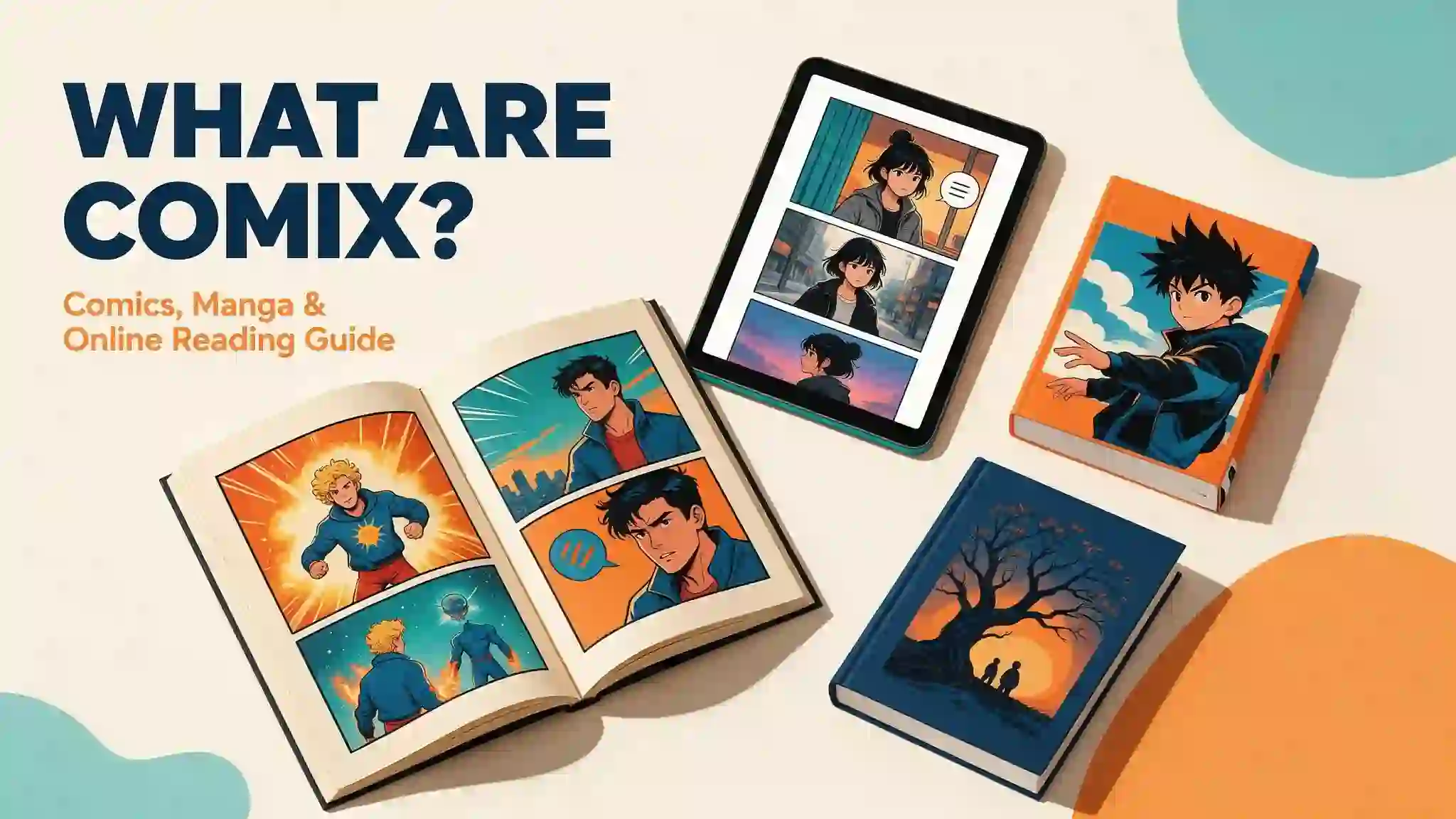
Many people search for “comix” when they want to read comics online, discover new graphic stories, or find a specific series. The problem is that the word appears beside adult sites, pirated copies, and confusing search results. This guide explains what comix means, how the format works, and how to read comics safely and legally.
Problem: Readers often cannot tell the difference between comix, comics, manga, manhwa, and adult content. Agitation: That confusion can lead to poor-quality sites, copyright problems, or material that is not suitable for younger readers. Solution: This article gives you a clear, practical framework for understanding comix and choosing trustworthy reading options.
What Does “Comix” Mean?
Comix is an alternative spelling of “comics.” It is often used for independent, underground, adult, or counterculture comic art, although many people now use it simply as another word for comics.
The term became closely connected with the underground comix movement of the 1960s and 1970s. These works often explored subjects that mainstream publishers avoided, including politics, sexuality, drugs, and social criticism. The Library of Congress includes underground comix within its broader comic book collection, confirming their place in comics history.
Today, “comix” can refer to:
- Traditional comic books and comic strips
- Webcomics and digital-first comics
- Manga from Japan
- Manhwa from Korea
- Graphic novels
- Independent and self-published comics
- Adult comics intended only for mature readers
The word does not automatically mean explicit material. Context matters. A search result for “comix” may lead to a public-library archive, a creator’s official page, a manga platform, or an adult website.
Comix vs. Comics vs. Manga
People often use “comix,” “comics,” and “manga” interchangeably, but each term has a distinct meaning. Understanding these differences helps you search more accurately and find the type of story you want.
| Term | Usual meaning | Common origin | Typical reading direction | Examples of related formats |
|---|---|---|---|---|
| Comix | Alternative spelling for comics; often associated with underground or independent work | United States and English-speaking markets | Usually left to right | Underground comix, indie comics, webcomics |
| Comics | Sequential visual storytelling using panels, dialogue, and art | Global | Depends on the publication | Superhero comics, newspaper strips, graphic novels |
| Manga | Japanese comics, usually serialized in magazines or published as volumes | Japan | Usually right to left | Shonen, shojo, seinen, josei |
| Manhwa | Korean comics, often published digitally as webtoons | South Korea | Usually left to right, vertically scrolled | Romance, fantasy, action, drama |
| Graphic novel | A longer comic story published as a book | Global | Depends on language and publisher | Memoirs, literary fiction, nonfiction |
Manga is a major part of global comics culture, but it is not the same as every type of comix. A manga reader may enjoy action, romance, horror, sports, or fantasy stories, while an underground comix reader may be looking for experimental art or adult themes.
Why People Search for Comix Online
Search interest in “comix” usually comes from one of four needs:
- Reading discovery: People want new comics, manga, or webtoons to enjoy.
- Specific-title searches: Readers look for a known series, chapter, or creator.
- Adult-content searches: Some users search for adult comix, hentai comix, or porn comix.
- Technical questions: Readers ask whether a particular comix site is down, safe, or working.
A useful search should include the genre, language, and legal source. For example, “legal manga reading app,” “public-domain comics archive,” or “official webcomic platform” produces clearer results than a vague search for “comix.”
Types of Comix You Can Explore
Comix is a broad category. The best choice depends on your interests, age, and preferred reading style.
Superhero Comics
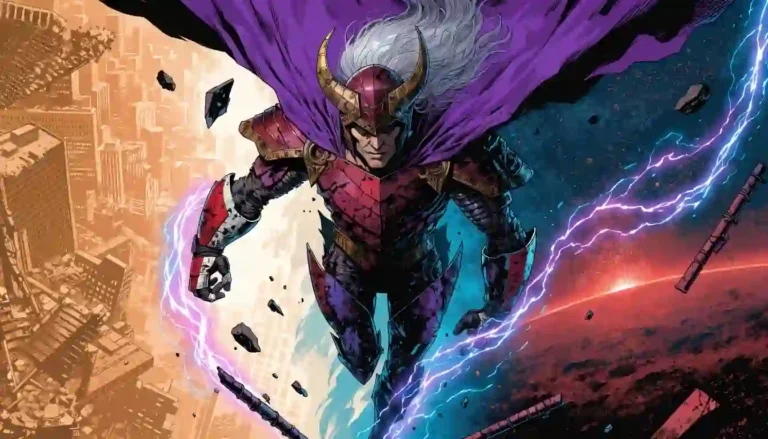
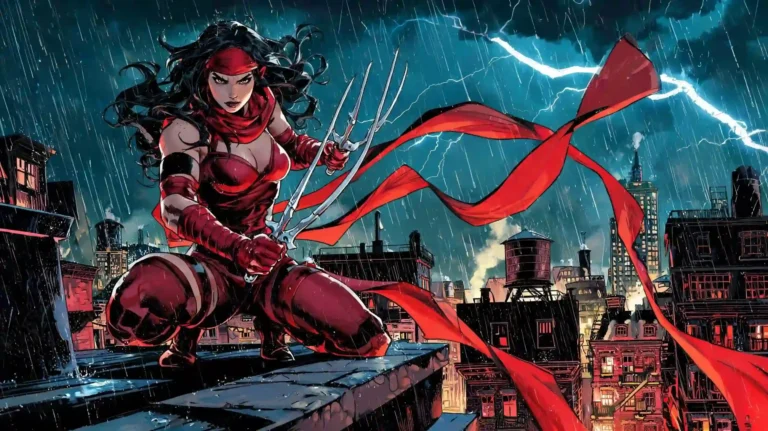
Superhero stories focus on characters with extraordinary abilities, moral conflicts, action, and large fictional worlds. They remain one of the most recognizable parts of the comics industry.
Popular themes include:
- Hero teams and rivalries
- Secret identities
- Science fiction and fantasy
- Crime and detective stories
- Multiverse adventures
Manga and Manhwa
Manga refers to Japanese comics, while manhwa refers to Korean comics. Both formats include stories for many age groups and interests.
Common categories include:
- Shonen: Action and adventure, often aimed at younger male readers
- Shojo: Romance and relationships, often aimed at younger female readers
- Seinen: Mature stories for adult readers
- Josei: Adult stories with a focus on women’s experiences
- Isekai: Stories set in another world
- BL: Boys’ love stories centered on male-male relationships
Webcomics and Webtoons
Webcomics are comics created for online reading. The Library of Congress began collecting webcomics in 2011 and later expanded its Webcomics Web Archive, preserving work from creators and platforms across the web.loc
Webcomics often use vertical scrolling, colorful art, and shorter episodes. This format works well on phones and makes it easy to follow an ongoing series.
Graphic Novels
A graphic novel is a complete comic story published in book form. It may be fiction, memoir, history, biography, or educational nonfiction.
Graphic novels are useful for readers who prefer a finished story rather than weekly chapters. They also work well in classrooms, libraries, and book clubs.
Underground and Independent Comix
Underground comix developed outside mainstream publishing and often challenged social norms. The Comic Book Legal Defense Fund describes this era as an important part of comics history, including the rise of independent publishing and debates over censorship.
Independent comix still thrive today through small presses, conventions, crowdfunding, and creator-owned digital stores.
Adult Comix
Adult comix are comics made for readers who are 18 or older. They may contain mature themes such as violence, strong language, sexuality, or psychological drama.
Adult does not always mean sexual. A mature graphic novel can explore war, addiction, grief, crime, or political conflict without explicit content. Readers should always check the publisher’s age rating, content warnings, and local laws before choosing adult material.
How to Read Comix Legally
Legal reading protects creators, publishers, and the future of comics. It also gives you better image quality, reliable updates, and safer browsing.
Choose sources such as:
- Official publisher websites
- Licensed manga and manhwa apps
- Library digital collections
- Creator-owned webcomic platforms
- Public-domain comic archives
- Physical comic shops and bookstores
- Library borrowing services
The Library of Congress describes its comic book collection as the world’s largest publicly available comic book collection, with more than 190,000 original print issues and 20,000 titles. This shows how much legitimate comics material exists beyond unofficial mirror sites.
Avoiding Pirated Comix Sites
Pirated sites may offer free! chapters, but they create several problems:
- Creators may not receive payment for their work
- Sites can host misleading advertisements or malicious links
- Translations may be inaccurate or incomplete
- Chapters can disappear without warning
- Personal data may be collected through unsafe pop-ups or downloads
If a site offers a current, paid series for free! without clear authorization, treat it carefully. Instead, look for the official publisher, the creator’s own page, or a licensed reading service.
Are Adult Comix Safe to Read?
Adult comix can be legal for adults, but safety depends on the source, the content, and your local laws. Explicit comics should only be accessed through legitimate adult platforms that verify age and follow applicable regulations.
Before reading adult material, check:
- Whether the platform requires age verification
- Whether the work is officially licensed
- Whether the content includes clear warnings
- Whether the site protects payment and personal information
- Whether the material is legal in your country or region
- Whether the work involves fictional adult characters only
Avoid downloading files from unknown sites. Do not enter payment details on pages that look unprofessional, pressure you to install software, or redirect repeatedly to unrelated advertisements.
How to Choose a Good Comix Series
A strong comix series has more than attractive artwork. It gives you a reason to keep reading.
Use this simple checklist:
- Story: Does the premise interest you within the first chapter?
- Art style: Do the characters, backgrounds, and action scenes fit the story?
- Pacing: Does each chapter move the plot forward?
- Characters: Do the main characters have clear goals and flaws?
- Updates: Is the series complete, ongoing, or discontinued?
- Content warnings: Does the story match your comfort level?
- Translation quality: Is the dialogue clear and natural?
- Legal access: Can you read it through an authorized source?
For a first-time reader, begin with a completed series. Finished stories reduce the frustration of waiting for updates and make it easier to judge the full narrative.
Best Comix Genres for New Readers
New readers often enjoy comics more when they start with a genre that matches their existing interests.
| If you enjoy… | Try this comix genre | What to expect |
|---|---|---|
| Action films | Shonen, superhero, martial arts | Fights, training, rivalry, adventure |
| Romance novels | Shojo, romance manhwa, BL | Relationships, emotional growth, drama |
| Horror movies | Horror manga, psychological thrillers | Suspense, fear, mystery, dark themes |
| Crime dramas | Noir, detective, crime graphic novels | Investigations, moral conflict, gritty settings |
| Fantasy games | Isekai, fantasy manga, adventure comics | Magic, quests, guilds, other worlds |
| Real-life stories | Memoirs, literary graphic novels | Personal experiences, history, social issues |
| Comedy | Slice-of-life, gag comics, webcomics | Humor, everyday situations, light storytelling |
Start with one genre rather than trying to read everything at once. After finishing three or four series, you will understand your preferences more clearly.
How Comix Storytelling Works
Comics tell stories through a combination of words and pictures. This makes the format different from novels, films, and ordinary illustrations.
The main building blocks include:
- Panels: Individual framed images that show a moment or action
- Gutters: The spaces between panels, where readers infer time and movement
- Speech balloons: Dialogue spoken by characters
- Thought balloons: A character’s internal thoughts
- Captions: Narration, location details, or time markers
- Sound effects: Visual words that represent noise or action
- Page layout: The arrangement of panels to guide the reader’s eye
Good comics use visual pacing. A large panel can create impact, while several small panels can show fast movement or a rapid exchange of dialogue.
Comix and Digital Reading
Digital reading has changed how people discover comix. Readers can now follow series on phones, tablets, and computers, often with official translations and simultaneous releases.
Digital platforms commonly offer:
- Chapter-by-chapter releases
- Personalized recommendations
- Offline reading
- Bookmarking
- Notifications for new chapters
- Official translations
- Creator support through subscriptions or purchases
The Library of Congress also preserves webcomics through dedicated archives, recognizing online comics as an important part of contemporary visual culture.
How to Build a Personal Comix Library
A personal library helps you track what you have read and discover what to read next.
Create a simple system with these categories:
- Currently reading
- Want to read
- Completed series
- Favorite creators
- Genres to explore
- Series to avoid
- Books or chapters to buy
- Library titles to borrow
You can use a spreadsheet, notes app, or reading journal. Include the title, creator, genre, status, platform, and a short personal rating.
Comix for Parents and Teachers
Comics can support reading development because they combine visual clues with text. They can help reluctant readers build confidence, understand narrative structure, and engage with challenging subjects.
Parents and teachers can choose age-appropriate comix by checking:
- Publisher age recommendations
- Content warnings
- Reviews from trusted educators or librarians
- Themes such as violence, substance use, or mature relationships
- Reading level and language complexity
- Whether the story supports classroom learning
Libraries are especially valuable because they provide access to comics without requiring a purchase. The Library of Congress notes that its collection includes comic books, graphic novels, manga, original art, and related research materials.
Comix, Censorship, and Creative Freedom
Comics have faced censorship throughout their history. The Comic Book Legal Defense Fund explains that industry self-censorship in the 1950s had a major impact on the medium and contributed to the development of the Comics Code.
Censorship debates continue today around libraries, schools, retailers, and online platforms. The CBLDF supports libraries facing challenges to comics and graphic novels and provides resources related to First Amendment issues.
Readers can support creative freedom by:
- Buying or borrowing comics legally
- Supporting independent creators
- Respecting age ratings and content warnings
- Reporting harmful or illegal material through proper channels
- Defending access to diverse stories in libraries
Common Comix Search Terms Explained
Many search terms around “comix” are confusing because they mix genres, platforms, and adult categories.
| Search term | Likely meaning | Safer search approach |
|---|---|---|
| Comix read online | Reader wants digital comics | Search for “legal webcomic platform” or “official manga reader” |
| Comix manga | Reader wants Japanese comics | Search for “licensed manga app” or “manga library” |
| Adult comix | Mature comics for adults | Search for “adult graphic novels” or “mature comics age rating” |
| Comix alternative | Reader wants another comics site | Search for “legal comics reading platforms” |
| Comix down | Reader thinks a site is unavailable | Check the official platform status or use a legal alternative |
| Underground comix | Independent or counterculture comics | Search for “underground comix history” or “independent comics publishers” |
| Comix zone | May refer to the classic video game | Search for “Comix Zone Sega Genesis game” |
| Comix experience | May refer to a comic shop or brand | Search for the exact business name and location |
How to Find New Comix Recommendations
Finding your next favorite series becomes easier when you use a structured approach.
Try these methods:
- Ask a librarian for graphic-novel recommendations
- Browse creator pages on social platforms
- Read reviews from established comics publications
- Follow publishers and licensed reading apps
- Join a local comics club or online reading community
- Start with award-winning graphic novels
- Sample the first chapter before committing to a long series
- Explore one creator’s full catalog after enjoying one title
Avoid relying only on anonymous rankings. A series with a large audience may not match your taste, while a smaller independent work may become a personal favorite.
How to Support Comix Creators
Creators depend on reader support to continue making comics. Legal reading, purchases, library requests, and direct support all help sustain the medium.
You can support creators by:
- Buying official volumes or digital chapters
- Subscribing to licensed platforms
- Backing crowdfunding campaigns
- Purchasing merchandise from official stores
- Attending comic conventions
- Recommending series to friends
- Requesting titles at your local library
- Leaving thoughtful reviews where allowed
Even borrowing a comic from a library can support the ecosystem. Libraries buy copies, track demand, and introduce new readers to creators they may not have discovered otherwise.
Comix Reading Habits That Improve Enjoyment
Reading comix should feel enjoyable, not overwhelming.A few routines can improve the experience.
- Read one series at a time if you are new to comics
- Set a chapter limit to avoid burnout
- Keep a list of series you want to finish
- Take breaks between emotionally heavy stories
- Try a different genre every month
- Reread favorite chapters to notice visual details
- Follow creators whose art style you enjoy
- Choose legal sources whenever possible
A balanced reading habit helps you appreciate both fast-paced action comics and slower, character-driven graphic novels.
Frequently Asked Questions
What are comix?
Comix is an alternative spelling of “comics.” It may refer to comic books, webcomics, manga, graphic novels, underground comics, or adult comics, depending on the context.
Are comix and manga the same?
No. Comix is a broad term for sequential visual storytelling, while manga specifically refers to Japanese comics. Manga is one type of comic, not a separate medium.
Is reading comix online legal?
It can be legal when you use authorized publishers, licensed apps, creator-owned platforms, libraries, or public-domain archives. Avoid unofficial sites that distribute copyrighted work without permission.
Are adult comix appropriate for children?
No. Adult comix are intended for readers who are 18 or older. Parents should check age ratings, content warnings, and platform restrictions before allowing younger readers to access comics.
What is the difference between a comic and a graphic novel?
A comic may be a single issue, strip, or short serialized story. A graphic novel is usually a longer, complete story published as a book.
How do I know if a comix site is safe?
Look for clear ownership information, secure payment systems, official publisher partnerships, transparent content policies, and age verification for mature material. Avoid sites with excessive pop-ups, forced downloads, or unclear copyright information.
Final Thoughts
Comix offer one of the most flexible forms of storytelling. They can make you laugh, teach you history, introduce you to new cultures, or help you process difficult emotions through art and words.
Choose legal sources, respect age ratings, and support the creators behind the stories you enjoy. Start with one genre, build a small reading list, and explore the wide world of comics with intention. Your next favorite story may be only one chapter away.